All Sad TikTok Emojis That Everyone Relates To
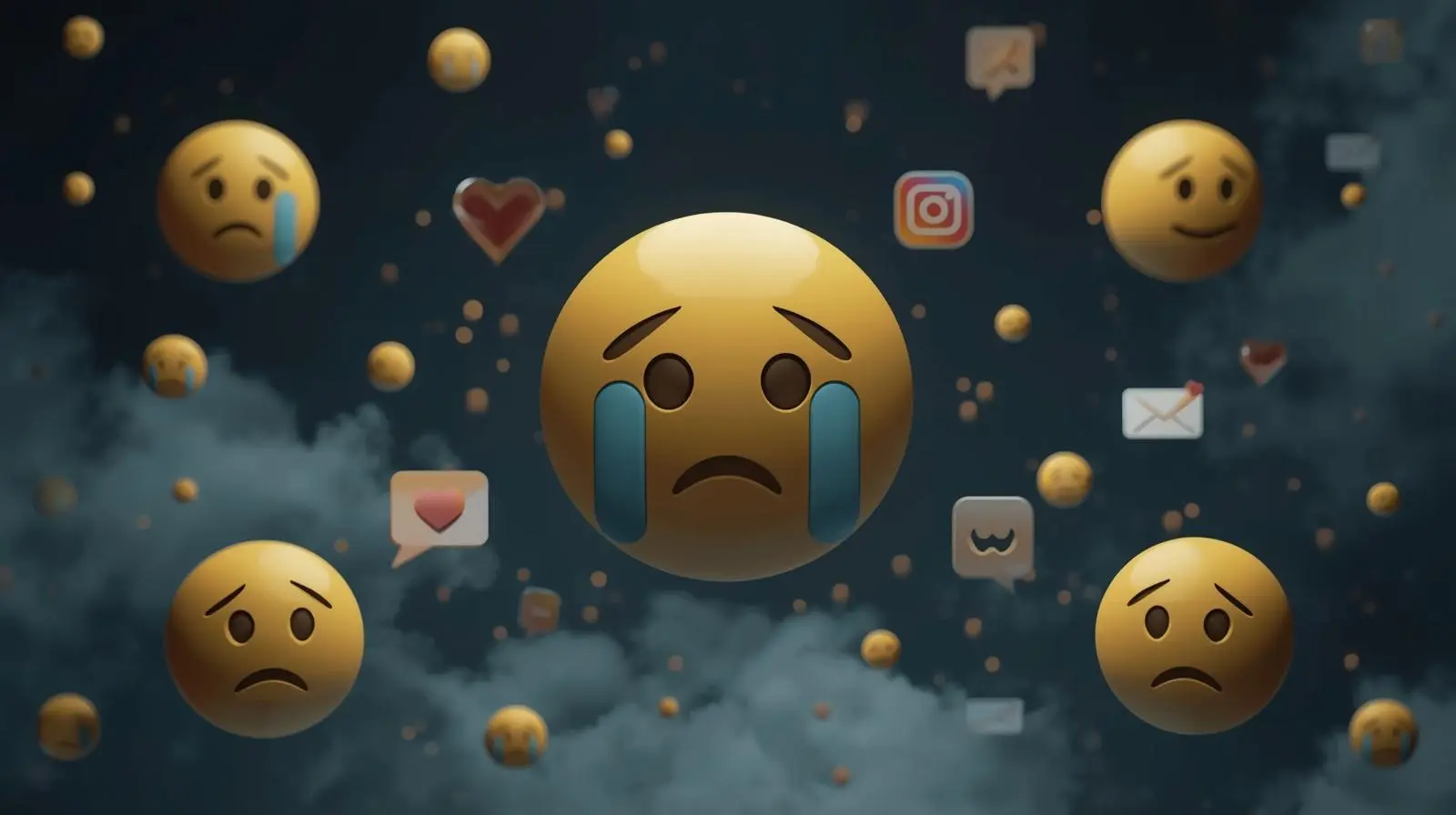
Sadness has always been a part of human expression, and in the digital world it finds its place through emojis. On TikTok, where trends, emotions, and stories come together, sad and emotional emojis have become tools that express feelings that words can never fully capture.
Whether it’s heartbreak, embarrassment, a sense of vulnerability, or just a dramatic reaction for the sake of humor, TikTok users rely on these little faces to express big emotions. From [cry] to [awkward], TikTok emojis adds a unique tinge of sadness, creating relatable moments that connect millions of users around the world.
All Sad TikTok Emojis
- [Cry] – Represents pure sadness or heartbreak. Often used in breakup edits or emotional videos.
- [Weep] – A more dramatic and exaggerated way of crying. Perfect for reaction memes or sad music edits.
- [Tears] – A soft, quiet cry that shows vulnerability rather than drama. It is commonly used in emotional TikTok edits.
- [Wronged] – It conveys a sense of betrayal or injustice. It is usually popular in Storytime TikToks where moments of injustice are described.
- [Embarrassed] – Expresses shame and remorse. Often used in cringe or self-mocking skits.
- [Flushed] – A mix of sadness, hesitation, and heaviness. Perfect for confessions or vulnerable TikTok moments.
- [Scream] – Represents panic or chaos. Used in dramatic ironies or exaggerated sad humor.
- [Speechless] – When something hurts so much that it is impossible to respond. Used for a shocked or sad reaction.
- [Awkward] – A sadness that is associated with a feeling of discomfort or not fitting in. Usually used in relatable skits based on social anxiety.
Why Sad Emojis Matter on TikTok
Social media is no longer limited to happy moments. TikTok in particular has become a place where people express their emotions, both real and exaggerated. Sad emojis help creators show disappointment, hopelessness, or weakness without the need for a long explanation.
These emojis also play a role in humor. Generation Z in particular has mastered the art of turning sadness into humor, where dramatic sad emojis are paired with sarcastic captions or humorous edits. On the other hand, some people use these same emojis to talk seriously about their struggles, which makes their videos feel more realistic and relatable.
These sad faces are not just icons, but they become part of a language that TikTok viewers immediately understand.
How Sad Emojis Are Used in TikTok Content
Sad TikTok emojis appear in a variety of content types, making them one of the most versatile tools for creators. They’re not just for showing sadness, they can switch between humour, relatable sentiments, and deep emotions depending on the context.
Storytime Videos
In storytime videos, creators often use emojis like [wronged] or [cry] to highlight moments of injustice, heartbreak, or struggle. These emojis add emotional depth, allowing viewers to better feel the frustration or sadness behind the story.
Meme Edits
Sad emojis play a comedic role in meme edits. Exaggerated faces like [weep] or [scream] are used to show an overreaction to minor annoyances, turning sadness into humour. This style is especially popular with Generation Z, who enjoy pairing dramatic scenes with humorous captions.
Music Edits
In music edits, sad emojis create a visual layer that matches the emotional mood of the song. Whether it’s [tears] with a soft ballad or [speechless] in a memorable montage, they deepen the atmosphere and make videos more cinematic.
Relatable Skits
And in relatable skits, emojis like [embarrassed] or [awkward] depict everyday social awkwardness, like saying something awkward in class or being ignored in a group chat. These little details make the skits more realistic and instantly connect with viewers who have experienced such moments themselves.
The flexibility of these sad emojis is what makes them so important. They can dramatize a lighthearted edit, or transform genuine sadness into content that feels both raw and relatable.
Emotional Impact on TikTok Users
Why do these emojis connect so deeply with TikTok users? It’s because they’re relatable. Everyone has felt embarrassed, wronged, or quietly sad at some point, and when these emotions are expressed through emojis, the content feels more real and authentic.
Sad emojis also create community. When people see [cry] or [wronged] in a video, they immediately understand the atmosphere and connect more. This creates empathy, and TikTok becomes a place where people not only laugh together, but also share emotions.
Generation Z in particular uses these emojis to combine sadness and humor, showing that even in sadness, connection and laughter can coexist.
PNG Downloads & Use on Other Platforms
One reason these sad emojis are so popular is that they’re not just limited to TikTok. Many creators download PNG versions of them and use them in social media posts, Instagram edits, or even memes shared in group chats.
With access to copy-paste and PNG, TikTok emojis become part of a broader digital language. For creators, this means their emotional stories can continue to resonate across platforms without losing impact.
Related Emoji Vibes
Sadness is often associated with other emotional colors. Emojis like [angry], [thinking] or [rage] overlap with the sad set, showing frustration and depression. In contrast, emojis like [happy], [joyful] or [loveface] create a contrast, showing how TikTok users move through ups and downs.
This mix of emotional emojis reflects the real human experience, as no one is always happy or always sad. TikTok captures that balance.
Conclusion
Sad TikTok emojis are not just digital icons, they have become a universal language. They give creators the opportunity to express their emotions, whether they are painful or humorous, in a concise and effective way. Their flexibility makes them suitable for all types of content.
Whether it’s Storytime, memes, or music edits. Above all, these emojis provide viewers with relatable and authentic moments, making TikTok not just an entertainment platform but a community where people also share emotions.
Sadness on TikTok doesn’t just represent pain, it creates connection. Through sad emojis, people show their vulnerabilities, turn hardships into humor, and remind us that we’re not alone in our feelings.
Q1. Which TikTok emoji means crying?
The most common crying emojis on TikTok are [cry], [weep], and [tears]. Each one shows a different level of sadness, from quiet vulnerability to full dramatic weeping.
Q2. How do I use shocked emojis in TikTok captions?
Yes. Many users download PNG versions of these emojis or copy-paste them to use on Instagram, Facebook, or memes. They’re popular across platforms, not just TikTok.
Q3. What’s the difference between [cry] and [weep] on TikTok?
[cry] shows normal sadness or heartbreak, while [weep] exaggerates emotions and looks more dramatic. [weep] is often used for humor or overreactions.
Q4. Do TikTok sad emojis work on all devices?
Yes, but only inside the TikTok app. They appear the same on both iOS and Android. If used outside TikTok, you’ll need a PNG download to display them properly.